Best Morning Skincare Routine for Acne-Prone Skin Let’s be real acne can feel like an unwanted guest that just refuses to leave your home. You’ve probably tried many different products, taken vitamin tablets and maybe even stopped eating certain foods. But still when you wake up the next morning, new pimples show up on your face.
The truth is, most acne routines fail. They are either too harsh not followed regularly, or missing important steps that actually work together.
Also, skincare is not about following every trending routine. First, you need to understand your own skin. Only then you’ll know why this problem keeps happening again and again.
Dermatologists always say that effective acne treatment needs patience, the right ingredients and a routine you can follow consistently.
So, let’s look at 7 game-changing steps that can help you see a real difference in your skin within 6–12 weeks. Let’s understand a simple and effective approach that gives the best and fastest results.
Why Morning Skincare is Important for Acne-Prone Skin
Before jumping into a daily skincare routine, it’s important to understand what acne-prone skin actually is.
Acne-prone skin is a type of skin that is more likely to develop pimples, blackheads, whiteheads, and other forms of acne. This usually happens when your pores get clogged with excess oil (sebum), dead skin cells, and sometimes bacteria.
Your morning acne skincare routine is mainly about protection and preparation. Think of it like a shield that protects your skin throughout the day from pollution, UV rays, and oil build-up.
7 Best Morning Skincare Routine for Acne-Prone Skin (Step-by-Step)
Step 1: Use a Gentle Cleanser
When you cleanse your face every morning, it should be gentle but still effective. Always choose a cleanser that contains salicylic acid or benzoyl peroxide, but remember to start with a lower concentration—around 0.5–1% salicylic acid or 2.5% benzoyl peroxide—to avoid irritation.
Make sure you cleanse your face for only 30–60 seconds, and use a light hand, especially on areas where you have pimples.
Avoid washing your face again and again. Ideally, wash your face only twice a day. If you sweat a lot, you can wash it again if needed. And if you have dry skin, washing your face once a day is usually enough.
Step 2: Apply Toner (Alcohol-Free)
If you use the right toner, it can be a game-changer for improving your acne. Toner is not just fancy water—it can be really beneficial. I personally use it, and I’ve seen a big difference in my skin.
Toners with salicylic acid work very well for blackheads and whiteheads, while glycolic acid helps improve skin texture and reduce mild acne scars.
Always apply toner using a cotton pad or gently pat it onto your face with light hands. Also, make sure to avoid the delicate area around your eyes.
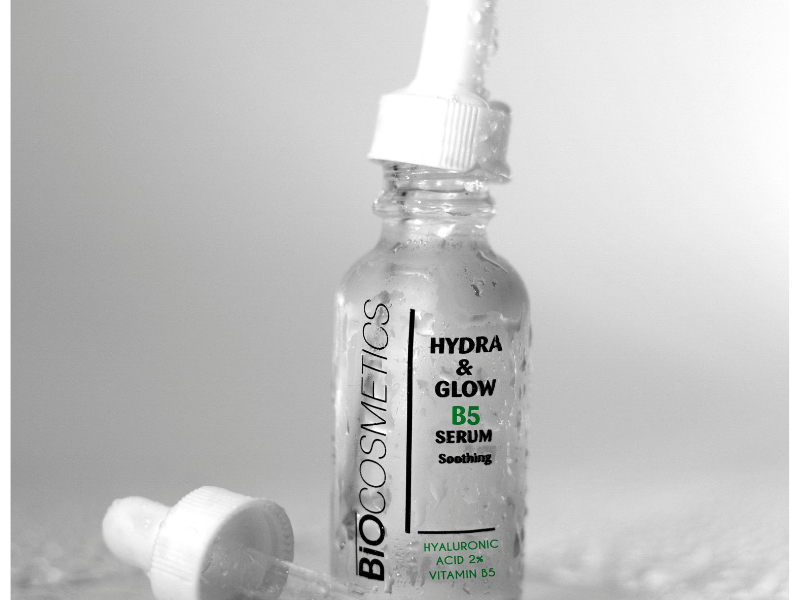
Step 3: Use Acne Treatment Serum
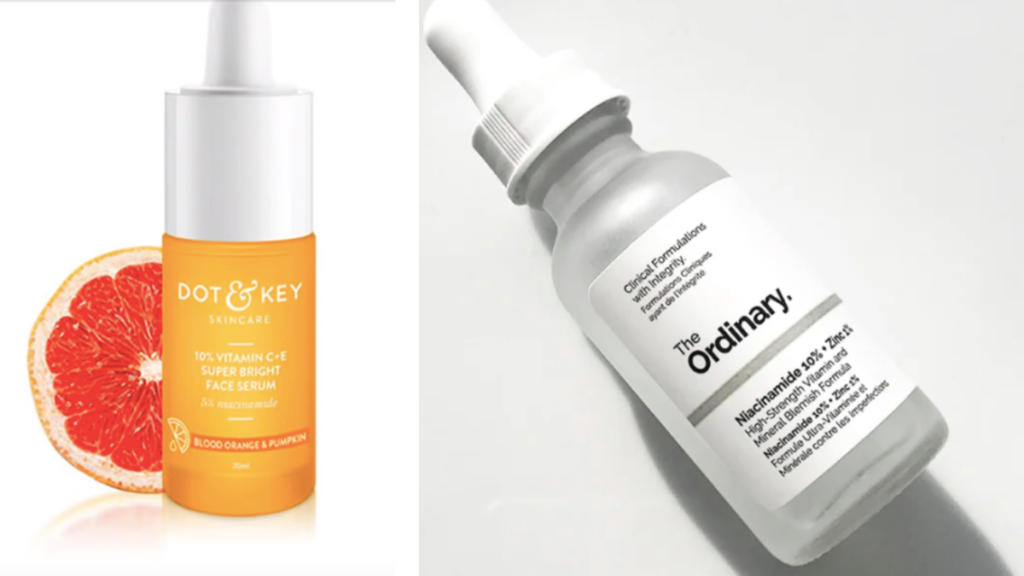
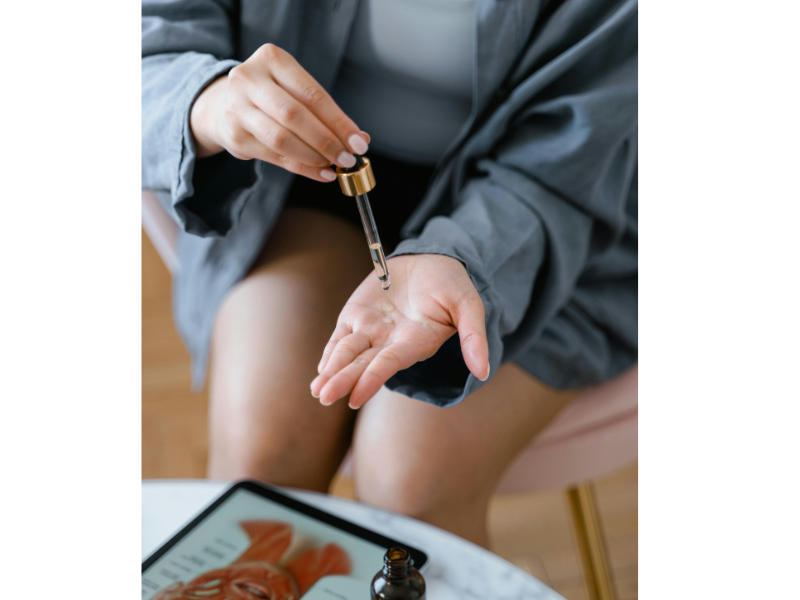
Serums are most useful because they deeply target your acne and help reduce it effectively. This helps control oil on your face and eliminate acne bacteria. However, they should always be used in small amounts. Using too much can cause irritation on your face.
Step 4: Apply Lightweight Moisturizer
Always choose non-comedogenic products with ingredients like niacinamide useful, which helps control excess oil on your face. Look for ceramides, which strengthen your skin barrier, and hyaluronic acid, which provides hydration without feeling heavy.
If you have oily skin, go for a gel-based moisturiser. But if your skin is combination, a lightweight cream will work better for you.
Step 5: Use Sunscreen (Very Important)
SPF is not optional—it’s essential. Many acne skincare tips ignore this, but UV rays can worsen post-inflammatory hyperpigmentation and make acne scars more visible. That’s why using sunscreen daily is very important.
Mineral sunscreens with zinc oxide are usually better for sensitive and acne-prone skin. Chemical sunscreens can also work, but make sure to do a patch test first.
Step 6: Spot Treatment (If Needed)
If you have active pimples, spot treatment can help reduce them faster. Use -Benzoyl peroxide, Tea tree oil and Sulfur-based treatments this is very helful for spot treatment. and Apply only on affected areas.
Step 7: Avoid Touching Your Face
Touching your face frequently spreads bacteria and worsens acne.
Tips:
- Keep hands clean
- Avoid popping pimples
- Change pillowcases regularly
Best Ingredients for Acne-Prone Skin
| Ingredient | Benefits | Best For | How to Use |
|---|---|---|---|
| Salicylic Acid | Unclogs pores, reduces acne | Oily & acne skin | Cleanser/serum (daily) |
| Niacinamide | Controls oil, reduces redness | Sensitive acne skin | Serum (morning & night) |
| Benzoyl Peroxide | Kills acne-causing bacteria | Active acne | Spot treatment |
Common Mistakes to Avoid
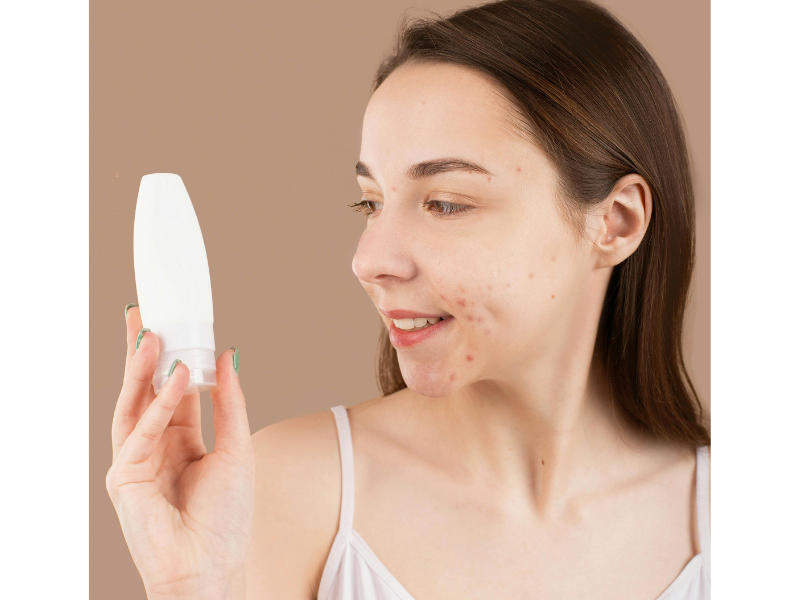
Many people unknowingly make a lot of mistakes when that can actually make their acne worse.
For example, washing your face again and again can strip away your skin’s natural oils. When that happens, your skin starts producing even more oil, which can lead to more breakouts.
Using too many strong products at the same time without understanding your skin can also damage it and make things worse.
Not using sunscreen is another big mistake, because it can increase pigmentation and make acne marks more visible.
Touching or picking your pimples repeatedly can leave marks and scars on your face.
Also, using harsh scrubs too often can cause irritation and worsen your skin condition.
A good acne routine depends a lot on what you avoid, not just on what you use. It’s important to maintain balance and follow your routine the right way.
Final Thought Best Morning Skincare Routine for Acne-Prone Skin
To get rid of acne, you don’t need to use expensive products or follow every new trend. Best Morning Skincare Routine for Acne-Prone Skin, You just need to understand your skin, choose the right ingredients, and follow a routine consistently.
Always remember—your skin is unique. Just because a product works well for someone else doesn’t mean it will work the same for you. And that’s completely normal, nothing to worry about.
In the first 30 days, the most common mistake people make is using too many products at once, which is not the right approach. Instead, start with the basics: a gentle cleanser, one active ingredient, a moisturiser, and SPF.
Whenever you add a new product, give it at least 5–7 weeks so you can actually see the difference.
If you have severe acne, don’t hesitate to visit a dermatologist. There’s absolutely no problem in that—they can properly assess your skin and guide you with the right treatment.
Your skincare journey depends on what works for you, not on proving that expensive products are better.
I’ve even shared this with my friends, and trust me—you won’t believe it, but more than 50 of them have seen a huge improvement in their skin.
FAQs
Q1. What is the best morning skincare routine for acne-prone skin?
A simple routine includes cleanser, toner, serum, moisturizer, and sunscreen to control oil and prevent breakouts.
Q2. Can I skip moisturizer if I have oily acne-prone skin?
No skipping moisturizer can increase oil production and worsen acne.
Q3. Which ingredient is best for acne-prone skin?
Salicylic acid and niacinamide are the most effective ingredients for controlling acne