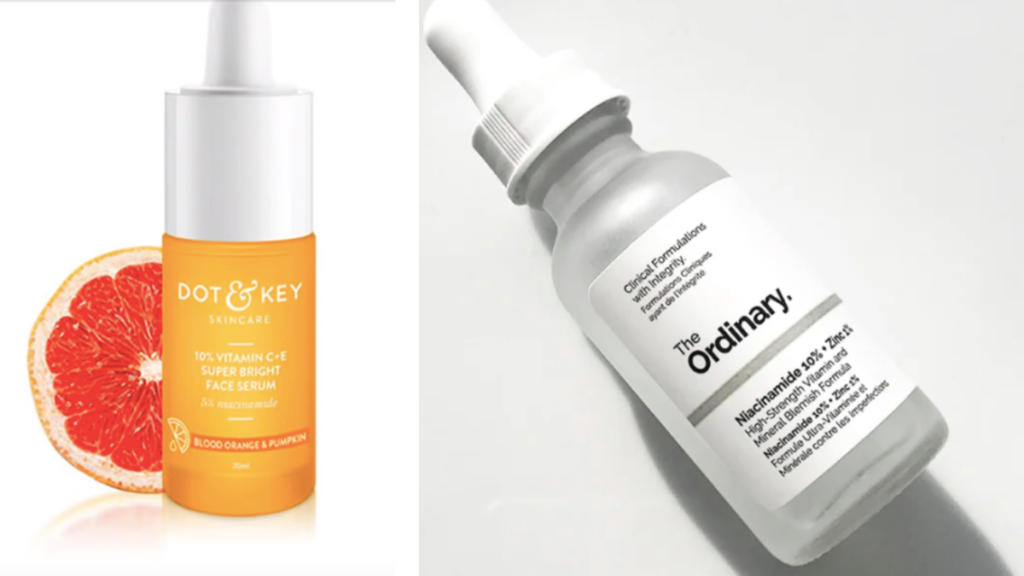

You’ve probably bought it from the market at least once and used it too. But even after using it for a long time, you didn’t see any results. Your skin stayed the same—or maybe you even started getting pimples after using it. If this has happened to you, you’re not alone. Many people add niacinamide to their skincare routine but don’t see any real benefits. I was one of them too. When I tried it, I didn’t notice any difference in my skin, and honestly, it felt really disappointing. It even felt like my money was wasted.
But the most important thing is this it actually works—you might just be using it the wrong way, just like I did. If you’re just starting out with skincare and don’t know where to begin, first read our Skincare Beginner’s Guide — it will help you understand the basics before adding any active ingredients.“
Why Niacinamide Is Not Working? 7 Shocking Mistakes You Must Fix Basically, niacinamide isn’t just a regular ingredient. It’s also known as Vitamin B3, and it can be really effective in your skincare routine. It helps control oil, fade dark spots, minimize pores, improve acne, and strengthen your skin barrier.
But you’ll only see these benefits if you use it the right way. So, let’s fix that and start using it properly.
7 Common Mistakes That Stop Niacinamide from Working
Read carefully then you understand Why Niacinamide Is Not Working.
1. Using the Wrong Concentration
Most people make the biggest mistake right at the start—they don’t know which product to buy. Either they end up choosing something too weak and then say it’s not working, or they overuse it and irritate their skin. Science says that 2% to 5% niacinamide works well for all skin types. If you’re using less than 2%, you probably won’t see any noticeable results. On the other hand, using more than 10% can lead to sensitivity, burning, and redness—especially if you’re adding it to your skincare routine for the first time.
What to do: Start with a serum or moisturizer that has 5% niacinamide. Use it consistently for at least 4–5 weeks. Once your skin gets comfortable with it, you can move up to 10%—but only if you’re targeting larger pores. So before using any product, always check the ingredient label carefully.
2. Not Using It Consistently
Skincare should be a habit—there’s no shortcut to it. Many people say niacinamide doesn’t work, but the main reason is that they don’t use it consistently. They apply it for a week, then stop, or skip a day or two in between—and then say it’s not working.
If you don’t use it daily, you honestly won’t see any results. Niacinamide doesn’t work instantly; it works slowly by improving your skin cells over time. It takes time to reach the surface of your skin, strengthen your moisture barrier, and calm inflammation. So consistency is key—use it every single day.
What to do: Try to use niacinamide both in the morning and at night routine. If you’re a beginner, start by using it once a day (preferably during the day). After about 2 weeks, you can start using it at night as well. Avoid skipping days—use it regularly. Think of it like drinking water—you need to do it daily. That’s when you’ll start seeing a clear difference in your skin.
3. Mixing with the Wrong Ingredients
You should not mix niacinamide with just any ingredient, because doing so can reduce its effectiveness and may also cause irritation. It’s important to remember that niacinamide is a friendly ingredient—but Why Niacinamide Is Not Working there are a few combinations you should avoid.
Vitamin C (L-ascorbic acid): This combination is not as problematic as it was once believed. However, using them together in high concentrations may reduce their effectiveness. A better option is to use Vitamin C in the morning and niacinamide at night.
Strong acids (glycolic acid, salicylic acid): Using these together can create issues. It may reduce effectiveness and can also affect the skin’s pH level. So it’s better to use them at different times—apply glycolic or salicylic acid first, then wait 20–30 minutes before using niacinamide.
What to do: Keep your skincare routine as simple as possible—that’s when it works best. Use niacinamide as a separate step, right after toner. Also, give some time before applying the next product instead of layering everything at once.
4. Expecting Instant Results
Nowadays, everyone wants instant results—2-day delivery, 30-second videos, and quick outcomes. But your skin doesn’t work like that. It follows a natural process and takes time. Your skin cells need at least 28–30 days to renew. Niacinamide works through these skin cell cycles to show visible results—especially if you’re dealing with concerns like large pores or uneven skin. If you keep checking your face every week, you’ll likely feel disappointed.
What to do: Take a picture at the beginning, preferably in the same lighting. Then start using niacinamide daily for 8–12 weeks. After that, compare your results—you’ll be able to see a clear difference. Skin changes happen slowly, but they do happen.
5. Applying in the Wrong Order
Using skincare products in the wrong order is like eating too much junk food—no matter how good it tastes, it’s never truly healthy for your body. In the same way, layering products incorrectly won’t give you good results. You can think of niacinamide like water—it’s lightweight and works best at the beginning of your routine. Use it after a water-based toner and before heavier serums, oils, and moisturizers. A product won’t work properly unless it gets absorbed into your skin.
What to do: Follow a simple rule—apply skincare from light to thick textures. Since niacinamide serum is lightweight, use it right after cleansing (and toner, if you use one).
6. Using Low-Quality Products
Niacinamide products come in different types. Some products contain such a low amount of niacinamide that it doesn’t work properly as an active ingredient. On the other hand, some products include harsh ingredients like alcohol or irritating fragrances, which can actually damage your skin. Just because a product has “niacinamide” written on it doesn’t mean it will work well for you. That’s why it’s important to always check the ingredients and choose products based on your skin type.
What to do: Always go for trusted brands with clear and transparent formulations. Personally, I prefer brands like Derma Co. and The Ordinary (5% or 10%). Try to choose alcohol-free and fragrance-free products as your first preference. And most importantly, read the ingredient list carefully before using anything—only then you’ll start seeing real results on your skin.
7. Not Understanding Your Skin Type
Most people like niacinamide because it suits almost all skin types. But the key thing is — why niacinamide is not working for you often comes down to your skin type. Your skin type decides which type of niacinamide you should use and in what concentration. Only then can you expect good results.
Oily/acne-prone skin: Niacinamide is great for controlling oil and reducing breakouts. You can use it in a 5–10% concentration.
Dry/sensitive skin: Start with a lower concentration like 2–5%, then slowly increase if your skin tolerates it. Using 10% right away may cause a reaction.
Combination skin: Apply it mainly on oily areas like the T-zone.
What to do: Before choosing a product or its concentration, it’s very important to understand your skin type. If you have sensitive or reactive skin, always do a patch test on your inner arm for 48 hours before applying it to your face.
How Long Does Niacinamide Take to Work?
Niacinamide usually takes around 5–6 weeks to start showing visible results. If you want clear and glowing skin, it’s very important to use it consistently and give it enough time.
Here’s a realistic timeline so you know what to expect:
1–2 weeks: You may notice a slight reduction in redness or irritation
3–4 weeks: Your skin will start to feel smoother and more balanced
6–8 weeks: You’ll see a noticeable improvement in pore size and oiliness
8–12 weeks: Dark spots begin to fade, and your skin tone looks more even
Keep in mind, why niacinamide is not working for many people often comes down to their skin type. Consistency is very important—but the most important things are patience and regular use.
How to Use Niacinamide Correctly (Step-by-Step)
Come, let me show you exactly why niacinamide is not working for you and the right routine that will finally be beneficial for your skin
Step 1: Cleanse your face: You should know your skin type, so choose a pH-balanced cleanser according to that. Always pat your face dry gently—don’t rub it harshly.
Step 2: Apply toner (optional): Always use a hydrating toner and apply it with cotton. Before moving to the next step, wait for 30–40 seconds so it can absorb properly into your skin.
Step 3: Use 2–3 drops of niacinamide serum: Use only 2–3 drops of serum—don’t use more than that.

Step 4: Gently pat into skin: Always apply it with a light hand and gently pat it in, so your skin doesn’t get irritated. This also helps protect your skin barrier and allows the product to absorb properly.
Step 5: Apply moisturizer: To get the best results from niacinamide, make sure to use a moisturizer so you can complete your skincare routine properly.
Step 6: Use sunscreen (morning routine): This step is the most important because sunscreen protects your skin from dust, pollution, and harmful UV rays from the sun. It helps keep your skin safe and protected.
Pro Tips to Get Faster Results (Why Niacinamide Is Not Working)
1. Layer with hyaluronic acid
2. Avoid touching your face
3. Stay hydrated
4. Change your pillowcase
5. Be patient with fading dark spots
6. Pair with retinol at night
FAQs (Why Niacinamide Is Not Working)
1. Can I use niacinamide every day?
Yes, you can use it daily. Most people use it twice a day, and it usually doesn’t cause any skin problems. It’s also considered one of the safest skincare ingredients.
2. Is niacinamide safe during pregnancy?
Yes, you can use it. But it’s always better to consult your doctor once before starting.
3. Can I use niacinamide with retinol?
Yes, and it’s actually one of the best combinations. First, apply niacinamide and let it absorb properly into your skin—wait for about 30–40 seconds. Then apply retinol. If you experience any kind of irritation on your face, using these two together can be very helpful and soothing.
Conclusion (Why Niacinamide Is Not Working)
Why Niacinamide Is Not Working? You’ll start seeing the real benefits of niacinamide only when you use it the right way — at the right amount, in the right order, and with realistic expectations. That’s when it truly works. Your skin will look clearer, dark spots will fade, oil will be better controlled, and your skin barrier will become stronger. All of this is possible. But if you’re still making the 7 mistakes we talked about, you won’t see these results.
Take a moment to review your routine again. Fix whatever needs to be improved. I can assure you, your skin will look much better than before—you just need the right method and the right guidance. Start today. Stay consistent for just 7–8 weeks, and see the results for yourself.